Heading 1
Heading 2
Heading 3
Heading 4
Heading 5
Heading 6
Lorem ipsum dolor sit amet, consectetur adipiscing elit, sed do eiusmod tempor incididunt ut labore et dolore magna aliqua. Ut enim ad minim veniam, quis nostrud exercitation ullamco laboris nisi ut aliquip ex ea commodo consequat. Duis aute irure dolor in reprehenderit in voluptate velit esse cillum dolore eu fugiat nulla pariatur.
Block quote
Ordered list
- Item 1
- Item 2
- Item 3
Unordered list
Text link
Bold text
Emphasis
Superscript
Subscript
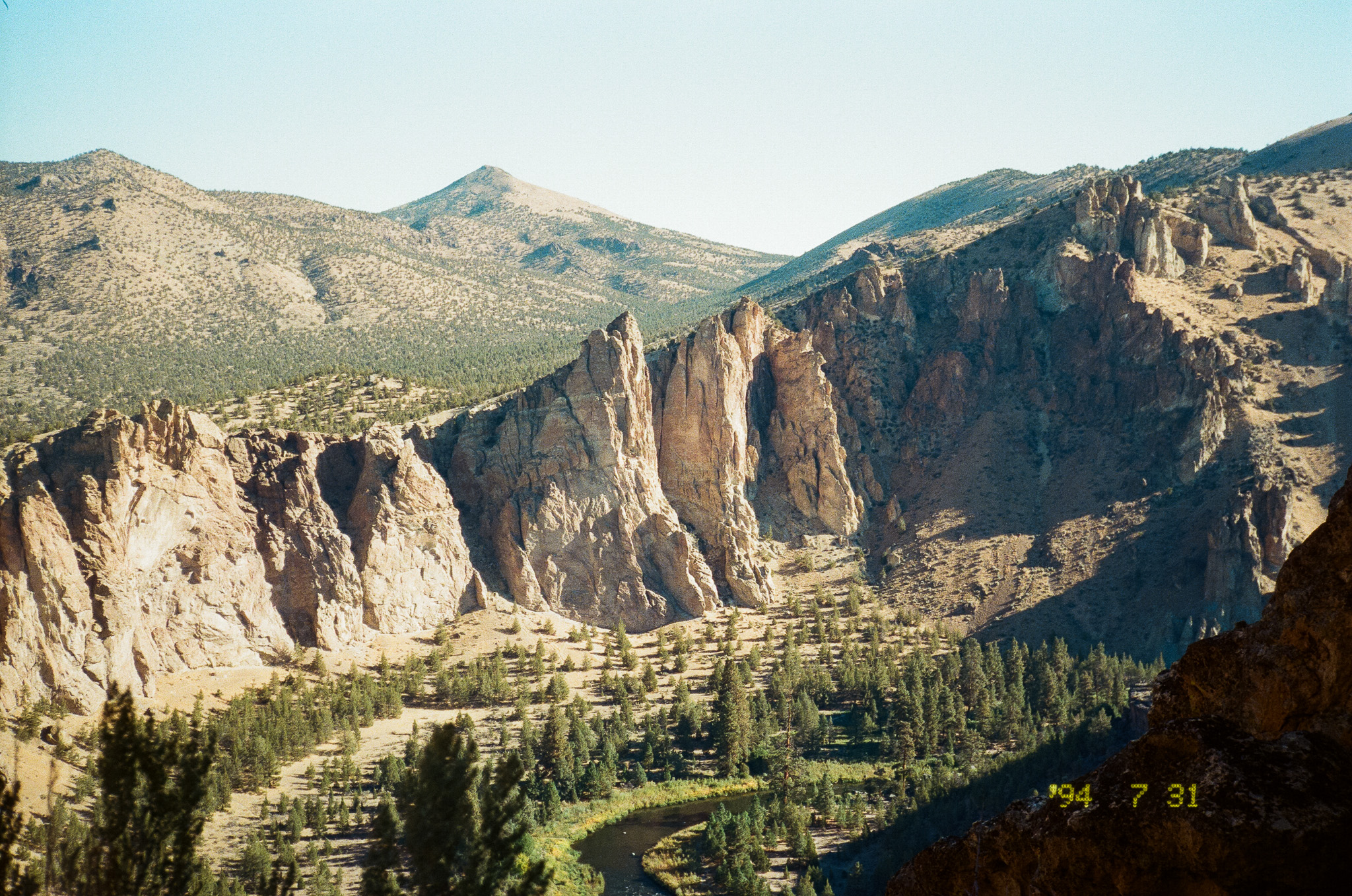
Smith Rock State Park is the crown jewel of Central Oregon’s high desert. Known globally as the birthplace of modern American sport climbing, it draws nearly a million visitors annually to its towering basalt spires and deep river canyons.
Whether you are planning your first trip or are a seasoned local, 2026 has brought several significant updates to the park’s logistics and fees. This comprehensive guide covers everything you need to know about hiking Smith Rock, navigating the latest permit changes, and making the most of your high desert adventure.
1. Essential 2026 Planning: Fees and Permits
As of January 1, 2026, Oregon State Parks implemented a new fee structure to maintain park infrastructure. If you’re driving into the park, here is the current breakdown:
- Daily Parking Permits: $10 for Oregon residents | $12 for out-of-state visitors.
- Annual 12-Month Permits: $60 for residents | $75 for non-residents.
- The Welcome Center Update: While a state-of-the-art Welcome Center was slated for 2026, the project is currently on a funding pause. For now, visitor services remain at the iconic yurt near the canyon rim.
Pro Tip: If you walk, bike, or get dropped off at the park, you do not have to pay a parking fee!
2. Top 3 Hiking Trails at Smith Rock
While there are over 12 official trails, these three offer the best experience for scenery and high desert immersion.
The Iconic Choice: Misery Ridge Loop
- Distance: 3.9-mile loop
- Difficulty: Strenuous
- Highlight: The "Monkey Face" rock formation.
- Don't let the name intimidate you. While the initial 1,000-foot climb is steep, the panoramic views of the Three Sisters, Mt. Jefferson, and Mt. Hood from the summit are unrivaled. You’ll descend past Monkey Face, a 350-foot pillar that is a bucket-list climb for experts.
The Scenic Stroll: River Trail
- Distance: 2.5 miles (one way)
- Difficulty: Easy
- Highlight: River reflections and wildlife.
- This flat, gravel path follows the Crooked River. It’s the best spot for families and photographers. Keep an eye out for river otters, mule deer, and climbers scaling the "Christian Brothers" walls above you.
The Hidden Gem: Summit Loop
- Distance: 7.3-mile loop
- Difficulty: Moderate/Strenuous
- Highlight: Avoiding the crowds.
- If you want to escape the Misery Ridge crowds, the Summit Loop takes you to the northern reaches of the park. You’ll get a unique perspective of the Gray Butte area and expansive views of the Oregon high desert.
3. Rock Climbing: The Sacred Crags
Smith Rock is a global mecca for climbers, boasting over 2,000 bolted routes that cater to every skill level. Whether you are looking for your first outdoor lead or a professional-grade "test piece," the park’s sheer basalt and welded tuff walls offer world-class variety.
- For Beginners: The Cinnamon Slab
This area is arguably the best starting point for those new to outdoor climbing. It features approachable, low-angle slabs with friendly grades, making it the premier spot for first-time leads and instructional groups. - For Intermediates: Morning Glory Wall
As one of the most popular walls in the park, Morning Glory is home to iconic moderate sport routes. It’s the perfect place to experience the park’s unique vertical "crimp" climbing while enjoying a social, high-energy atmosphere. - For Advanced Climbers: The Dihedrals
This is where the history of American sport climbing began. The Dihedrals offer steep, technical, and highly demanding routes. If you are looking to test your finger strength on legendary lines, this is the crag where you’ll find the park's most famous technical challenges.
Guide Services: If you are new to the sport, several local outfits based in Redmond and Terrebonne provide full-day guided tours. These services typically include all necessary safety gear, shoes, and expert instruction to help you navigate the crags safely.
4. 2026 Seasonal Closures: Protect the Raptors
Smith Rock is a vital nesting ground for Golden Eagles and Prairie Falcons. To protect these species, certain areas are closed annually from January 15 through July 31.
- The Monument Area: Typically closed to all public entry (climbing and hiking).
- Drones: Strictly prohibited during nesting season to avoid scaring fledglings.
- Noise Restrictions: Visitors are asked to keep noise to a minimum near active nest sites.
5. When to Visit and What to Bring
The best time to visit Smith Rock is during the shoulder seasons: Spring (April–June) and Fall (September–October).
- Summer Warning: Mid-day temperatures often exceed 32°C (90°F). If you visit in July, start your hike by 6:00 AM.
- Winter Beauty: Seeing the red basalt dusted in white snow is magical, but bring traction cleats for the icy switchbacks.
- Essentials: High-SPF sunscreen, at least 2 liters of water per person, and sturdy hiking boots.
Final Thoughts
Smith Rock State Park remains one of the most beloved landscapes in the Pacific Northwest. By staying informed on the 2026 fee changes and respecting the seasonal raptor closures, you help preserve this high desert treasure for years to come.
.jpg)
